Yay or nay for messy play?
11 Mar 2019 · Sensoryscape
Does my child truly enjoy messy play and, if not, what can I do to encourage engagement?
Yes, engaging in messy play is beneficial for every child’s development… but not all children love it. Or some children appear to love it, but if you observe their behaviour while they engage in it, they display some defensive reactions.
First of all, what is messy play?
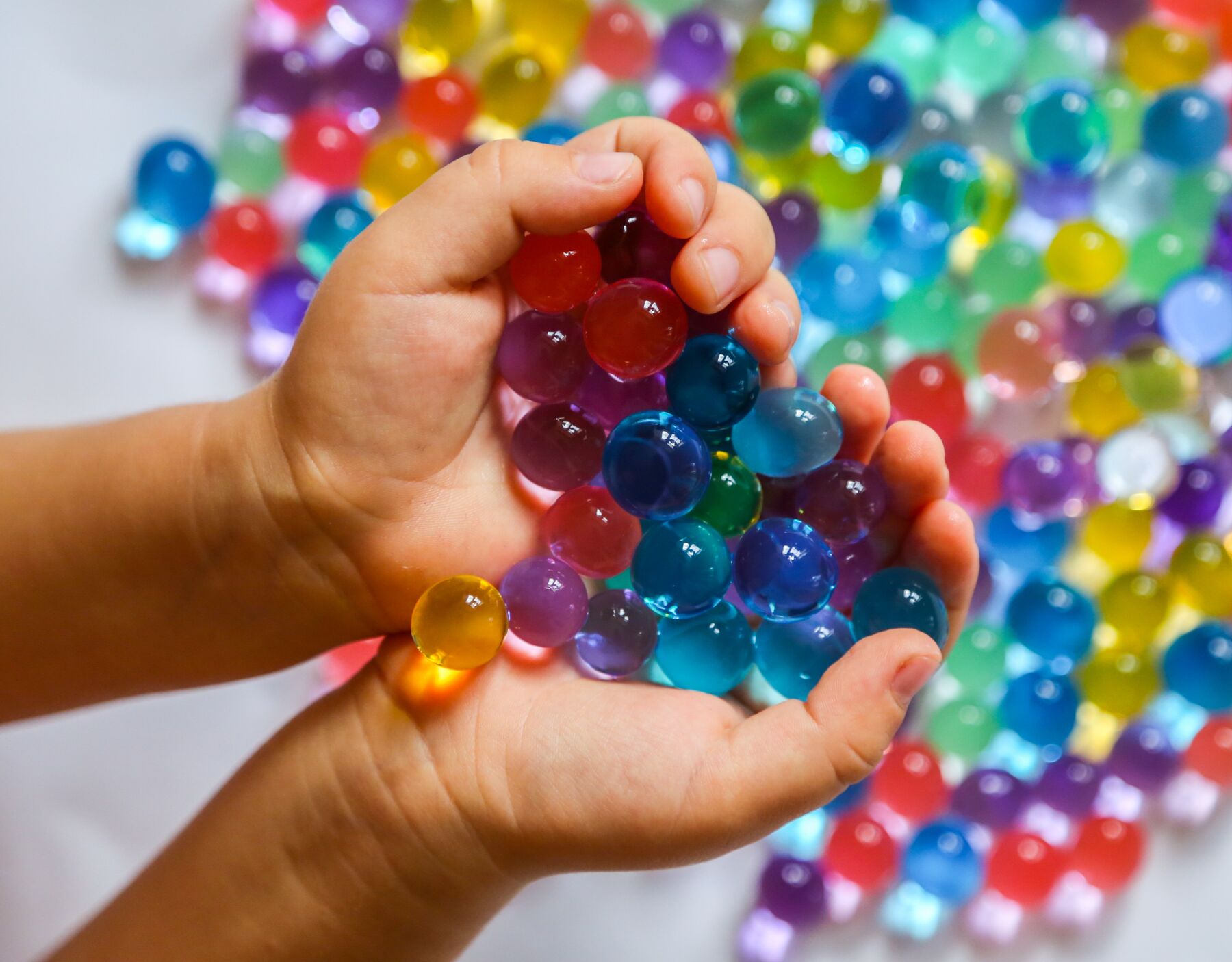
Messy play is a sensory-based activity that stimulates most of a child’s senses, especially their tactile system. It involves the full exploration of different materials in an open-ended manner. Messy play activities can include:
- Dry tactile mediums, including sand, rice, beans, dried cereal and playdough.
- Wet tactile mediums, including bubbles, finger paint, shaving foam, jelly and slime.
- Food or non-food-based mediums.
Is my child enjoying the messy play experience?
Here are a few signs that show us your child is finding the messy play experience hard:
- Not wanting to touch the tactile medium with their fingers, or only touching it with the tips of their fingers
- Frequently wiping or washing their hands
- Finger splaying (outstretching all their fingers)
- Leaning away from the messy play
- Grimacing, salivating or looking away
- Completely avoiding the messy play by running away or stepping back
- Verbalising their dislike for the activity (for example, saying “yuck”)
What do I do if my child is showing one of these responses?
The main thing we don’t do is force their hands into the messy play activity. Engagement needs to come from the child, of their own will. But how do we do this?
- Provide them with a tool. Give them a spoon, an animal or any other figurine they love, a cup or any other object that allows them to interact with the activity. By providing a tool, we allow your child to engage in the messy play without having to touch it. Very often, using a tool gives a child the opportunity to figure out the messy play experience, and they will eventually touch it on their own terms.
- Keep the experience as playful and relaxed as possible.
- Show them how. As the adult, engage in the activity the way you would like your child to engage with it, but in a non-forceful manner. Sometimes a child needs to watch and observe first.
- Keep your language positive. Try to keep your language as positive and non-forceful as possible. Avoid saying “do this” or “do that”. Instead, describe the properties of the messy play medium and what you are doing.
- Have a bowl of water and a cloth nearby. This allows them to wash or wipe their hands whenever necessary.
Why is messy play important?
Messy play promotes curiosity and experimentation through the sensory experience that it elicits.
Messy play stimulates language development. It can lead to amazing discussions about the various properties of the tactile mediums, for example soft, squishy or cold. It can also engage the child’s imagination and pretend play, for example creating a bridge or road out of playdough.
The tactile system provides us with information about the properties of objects: their temperature, whether they are soft or hard, rough or smooth.
Messy play activities largely stimulate the tactile system, specifically on the hands. This forms a base that allows us to adequately manipulate objects like scissors or pencils. By engaging in various messy play activities, we develop these skills, which form important foundations for higher-order skills like fine motor, gross motor and visual perceptual skills.
So now that we know more about messy play and what it involves, let’s embrace the messiness and get to a point where your child enjoys messy play and can fully reap the benefits.
Our occupational therapy team is happy to help.