



Movement, strength andearly intervention
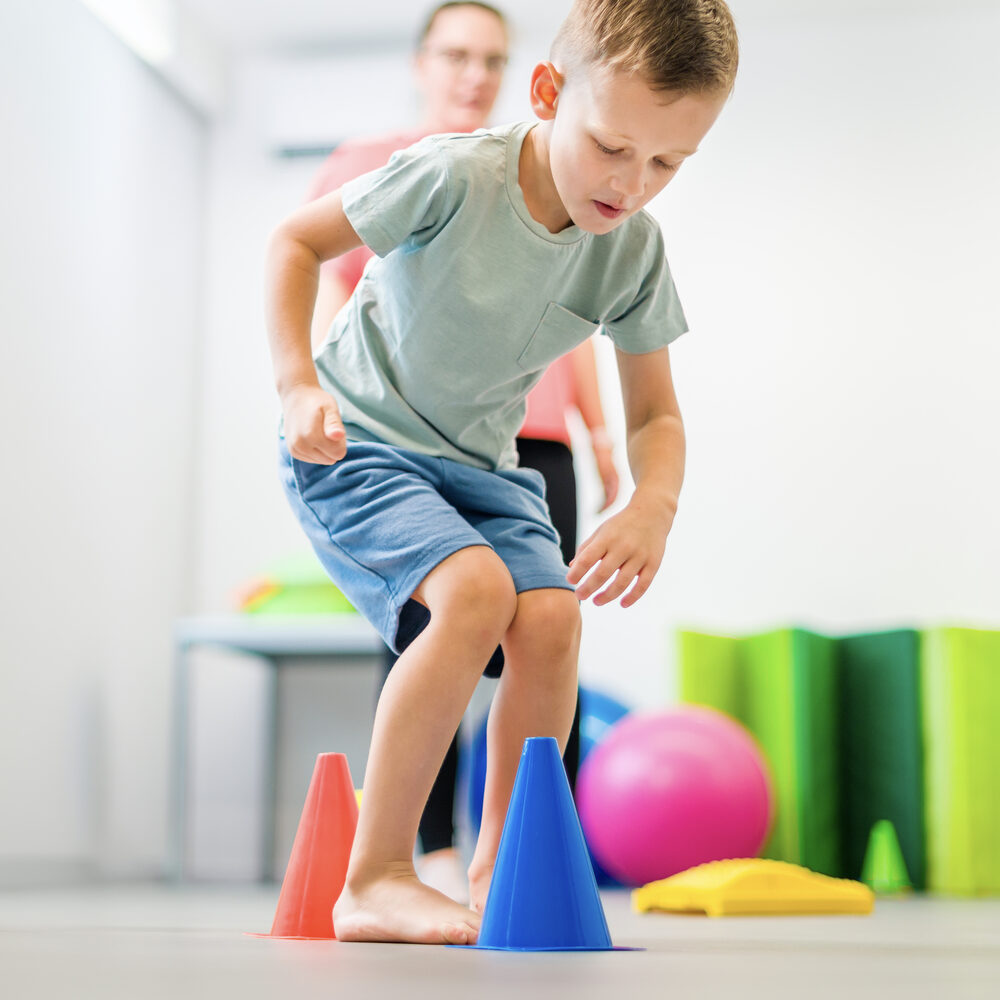
A paediatric physiotherapy practice offering a variety of services
Our physiotherapists use a neurodevelopmental approach to assess and treat a wide range of conditions in neonates, infants and children.
Treatments are designed on an individual basis and our physios are trained in Neurodevelopmental Therapy (NDT). We treat children from birth to teens with a special emphasis on early intervention. Our physios work within the World Health Organisation's (WHO) International Classification of Functioning (ICF) framework, focusing on achieving goals related to the child's participation in daily life.
From prematurity to
post-op rehab
Tap a group to see the conditions included.
Infants+
Development & coordination+
Cerebral palsy+
Other neurological disorders+
Neuromuscular conditions+
Orthopaedic conditions+
Spinal cord insults+
Congenital syndromes & genetic disorders+
Post-operative rehabilitation+
Tests we use
- Prechtl's General Movements Assessment (GMA)
- Hammersmith Infant Neurological Examination (HINE)
- Infant Neuromotor Assessment (INA)
- Movement Assessment Battery for Children (M-ABC)
NDT, explained
Neurodevelopmental Therapy is a treatment approach used for the assessment and management of children and adults who have motor and sensory problems as a result of cerebral palsy or any other trauma to the brain, as well as generalised developmental delay.
In NDT treatment, the therapist addresses the disturbance in postural tone and movement patterns. Through a variety of therapeutic techniques and the facilitation of normal movement, more normal sensory-motor experiences become possible and improved postural control and function are gained. Improvement in everyday activities such as sitting, walking, feeding, dressing and writing is the primary aim of the treatment.
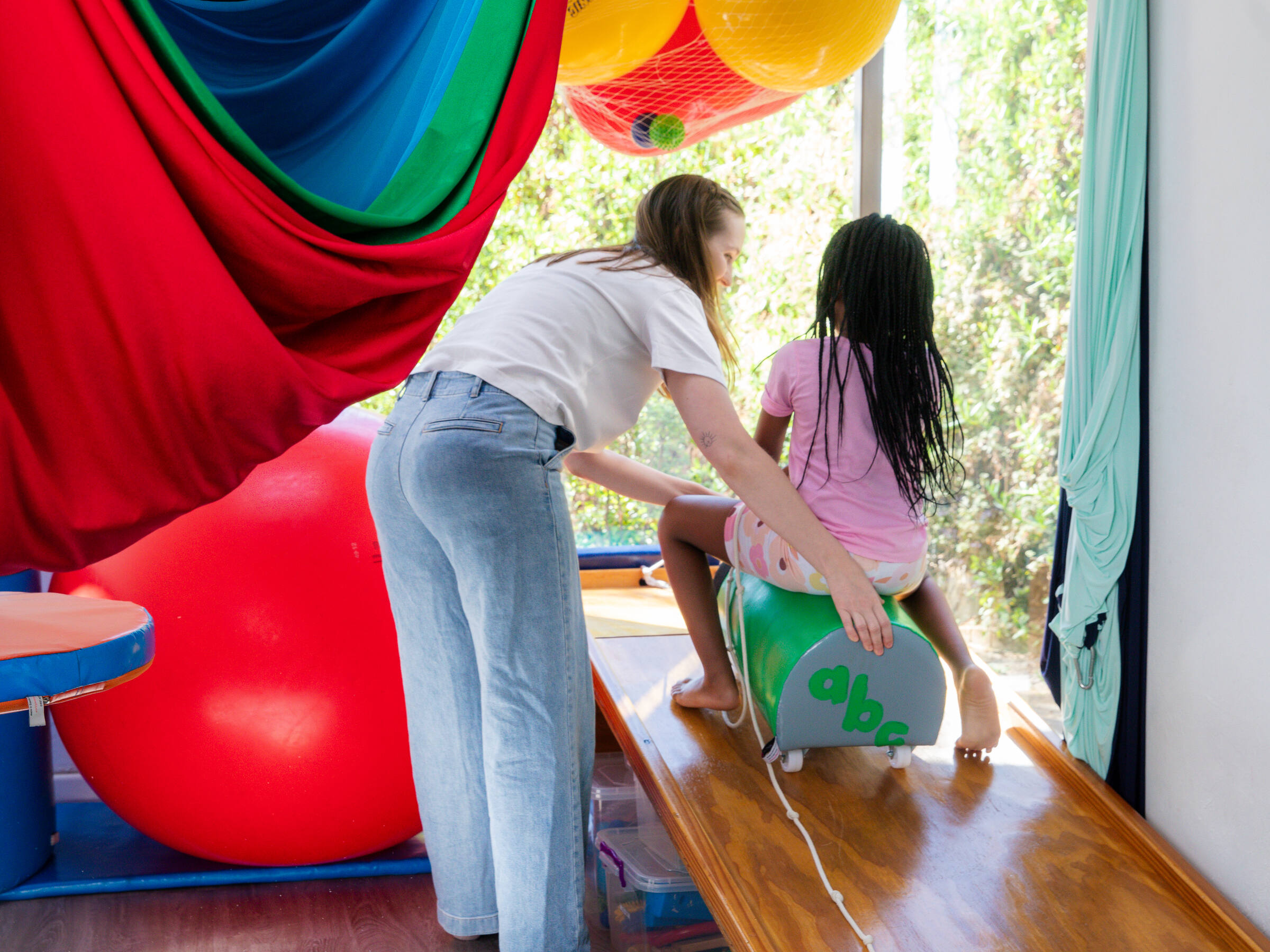
Meaning brain and nerves.
Emphasising the importance of understanding normal components of movement and other areas of function.
A management approach for treating individuals with central nervous system damage.
NDT is based on the following principles
This information was adapted from the South African Neurodevelopmental Therapy Association's website, www.sandta.org.za.
- It analyses the physical challenges that impact on posture and movement.
- It emphasises therapeutic handling, including the use of tone-influencing patterns to limit undesired postures and movements and to facilitate desired postures and movements within functional contexts.
- It incorporates sensory input to produce a desired motor response.
- It encourages caregivers to become educated in NDT principles in order to achieve optimal positioning of children and to maximise quality of movement in all environments, including home, school, work and community.
- It strives to minimise undesired movements and postures which can result in secondary problems.
- It aims to promote active, efficient and automatic movements during functional activities.
Meet our physiotherapist

Let us know
how we can help
Contact us if you require any further information
or to book your session.
- Cell072 102 0399
- Emails.kennedyphysio@gmail.com